
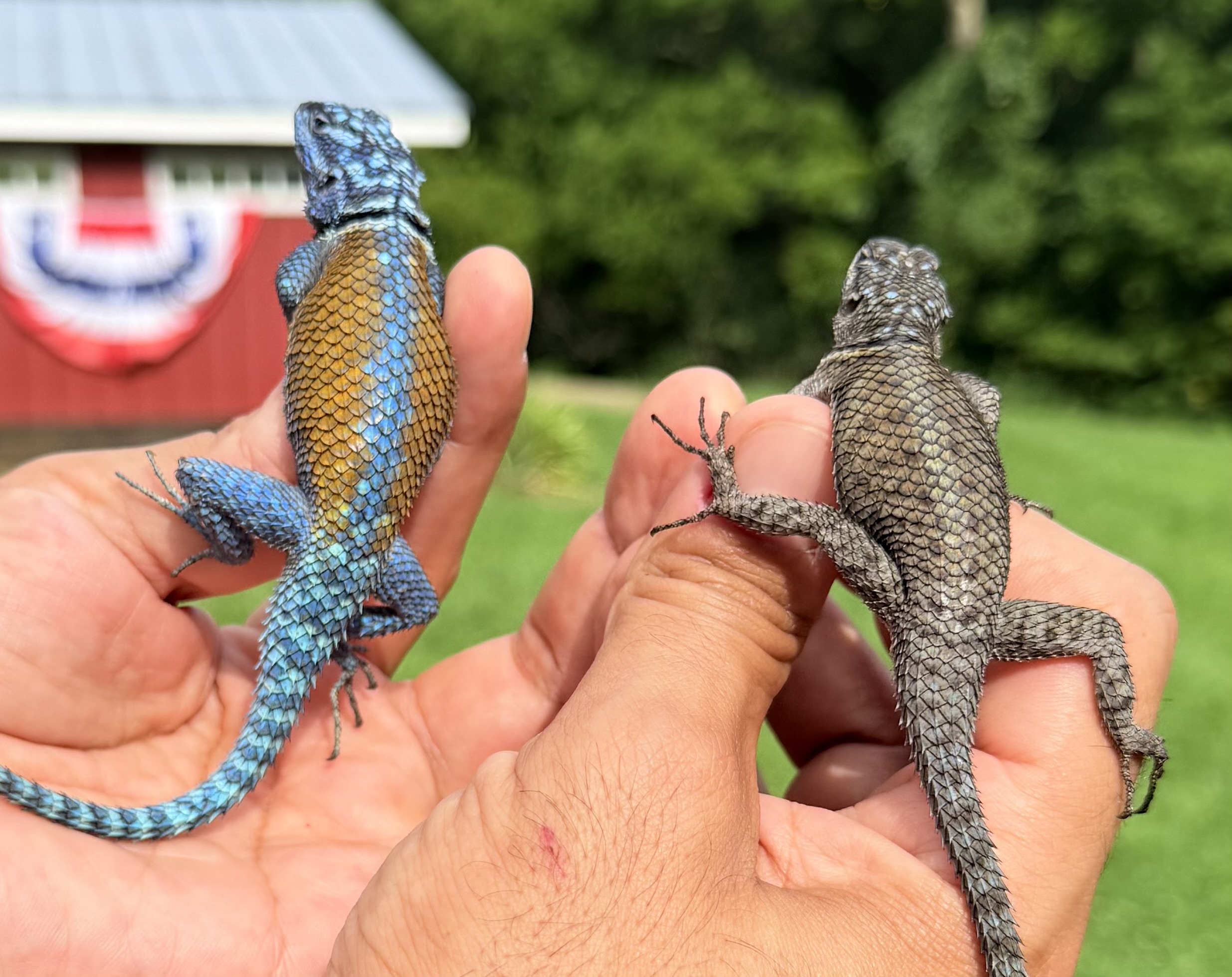
RARE Spiny Lizards or Swifts (Sceloporus Minor)
byPaul's Cool Scales· Columbus, OhioBeta: you and the seller arrange payment and shipping directly — Culebra doesn't hold the money on these deals. Escrow checkout launches at the end of October.
- Message the seller directly to arrange the sale
- Beta: you pay the seller directly — Culebra doesn't hold the money yet
Escrow checkout launches end of October
This animal
- Sex
- ?Unsexed
- Weight
- Ask seller
- Length
- Ask seller
- Age
- Ask seller
- Hatched
- Ask seller
- Origin
- Acquired stock
- Last fed
- Ask the seller
- Listing ID
- PAULS-COOL-3222
Temperament & handling
Genetics
0 visual genes
Diet & feeding
Ask the seller
Ask the seller before you buy
- Is it feeding reliably, and on what?
- Clean, complete sheds and clear eyes?
- Hatch date, weight and current length
- Feeding and shed records
From the breeder
STUNNING blues on these. Blues being the rarest color in reptiles. A striking spiny lizard species endemic to the high-elevation pine-oak forests and dry shrublands of Mexico . Adult males are famous for their brilliant metallic blue or multicolored bodies, while females tend to display duller grey, brown, or yellowish tones. Unlike most lizards, they are ovoviviparous (giving birth to 3 to 7 fully formed live young rather than laying eggs), an adaptation common in high-altitude reptiles. Primarily feeds on insects like beetles ( Coleoptera ) and grasshoppers ( Orthoptera ), alongside plant matter. Sceloporus minor behaves primarily as a rewarding display-only species . They are highly active, visually stunning reptiles with strict requirements for high-intensity lighting and dynamic rock layouts that replicate their high-elevation Mexican environments. Enclosure Setup & Environment Housing Size: A minimum enclosure size of 36″ x 18″ x 24″ is recommended for a single adult or a compatible pair. Because they are active, larger space is always better. Social Structure: You can house them individually, in pairs, or in a harem (one male, multiple females). Never house multiple males together , as they are highly territorial and will fight aggressively. Substrate & Decor: Use a well-drained, loose substrate mix of sand and soil. Furnish the terrarium with heavily stacked, stable flat rocks, slates, and cork bark branches to mimic rocky mountain escarpments Heating & Lighting (Critical) Basking Temperature: Provide a focused hot spot reaching 95°F–105°F (35°C–40°C) using a dimming thermostat-controlled heat lamp. Ambient Thermal Gradient: The cool side of the tank should drop down to 75°F–80°F (24°C–26°C) during the day, with a safe drop to around 65°F–70°F at night. UVB Lighting: High-output T5 HO UVB lighting (Ferguson Zone 3 or 6%–10% output) is completely non-negotiable. They require intense UV exposure for 10–12 hours daily to prevent metabolic bone disease. Humidity & Diet Humidity: Maintain a generally dry ambient background ( 40%–50% ), but provide a humid hide and a shallow water dish on the cool side. Lightly mist the enclosure in the morning to allow them to lick droplets. Feeding: They are strict insectivores. Feed them a varied diet of live, gut-loaded crickets, dubia roaches, and occasional worms. Dust their food with calcium powder daily and a multivitamin with D3 once or twice a week. Temperament & Handling Handling Expectations: They are skittish and very fast . Frequent handling stresses them out and can cause them to defensively drop their tails ( tail autotomy ) or bite. Appreciate them as gorgeous, alert display animals. Breeding Note: They are live-bearers ( ovoviviparous ). Healthy females will suddenly give birth to 3–7 perfectly formed mini-lizards. Ensure you have a plan or a network of hobbyists ready, as finding homes for neonates can sometimes be difficult due to their niche presence in the reptile trade.
Check your state's rules before you buy
Laws change and vary by county. Confirm with your state wildlife agency; the seller must confirm you can legally receive the animal.
Shipping
Shipping is arranged with the seller during beta. Ask about their packing, ship days and live-arrival policy.
ComingAnimal records that move to your Cerebro collection on sale.
Breeder reviews — Paul's Cool Scales
No reviews yet — this breeder is newly verified.
Knowledge — Culebra Codex
Know the animal before you buy.
Every Exchange listing links to the Codex — the reptile world's reference library.
More from Paul's Cool Scales
View storefront →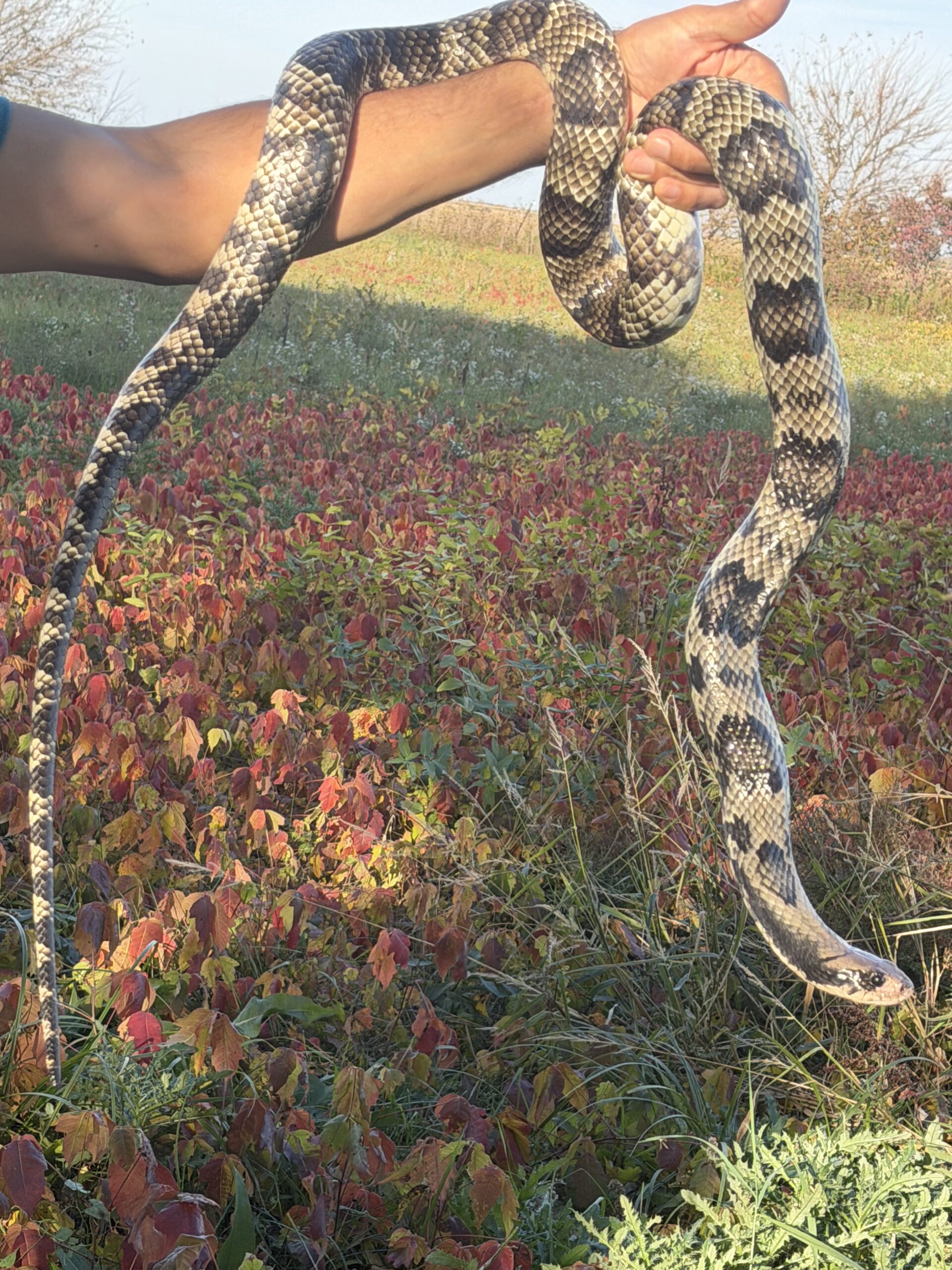
Adult Female Breeder False Water Cobra – Het Lavender
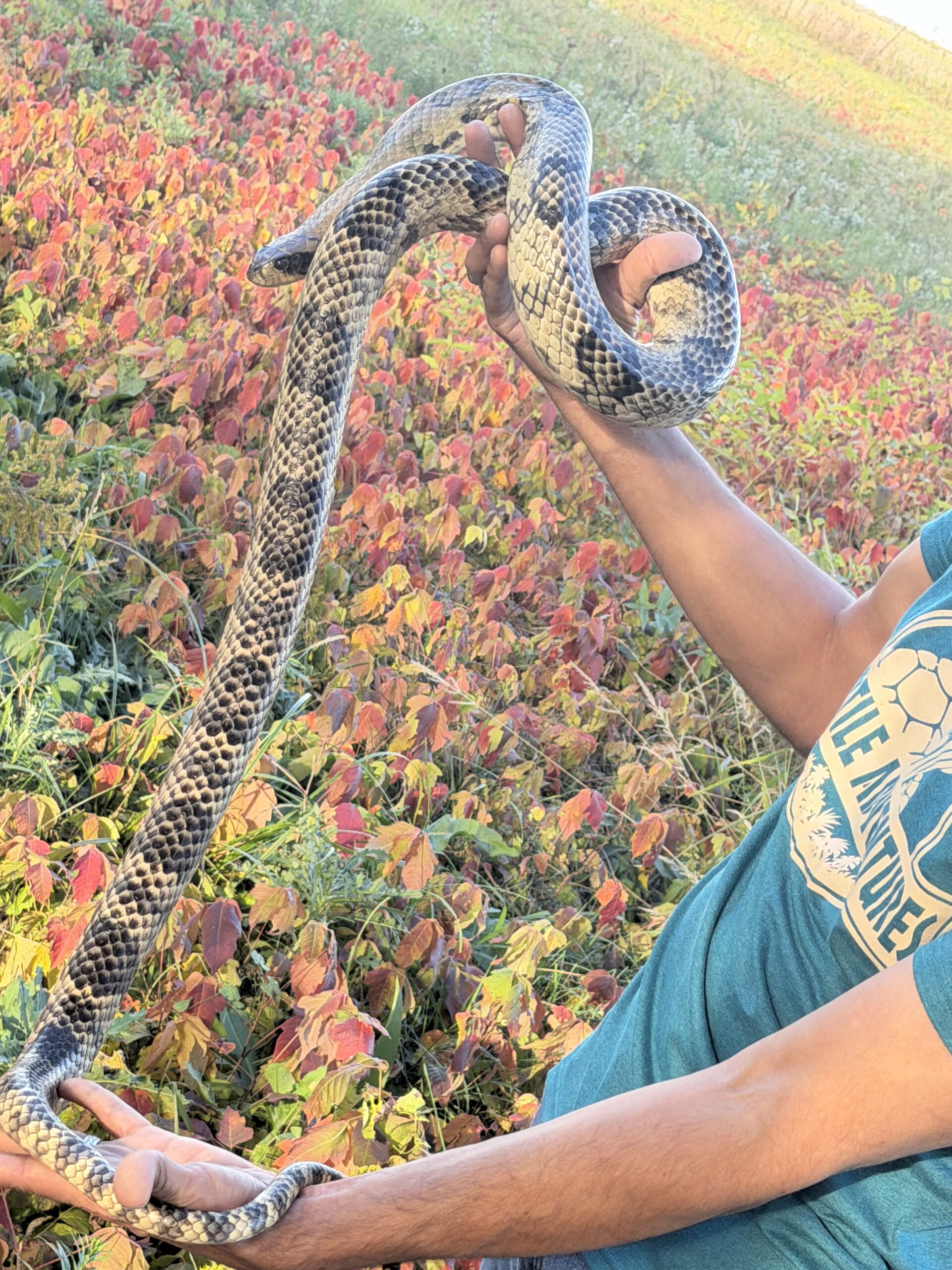
Adult Female False Water Cobra – HUGE
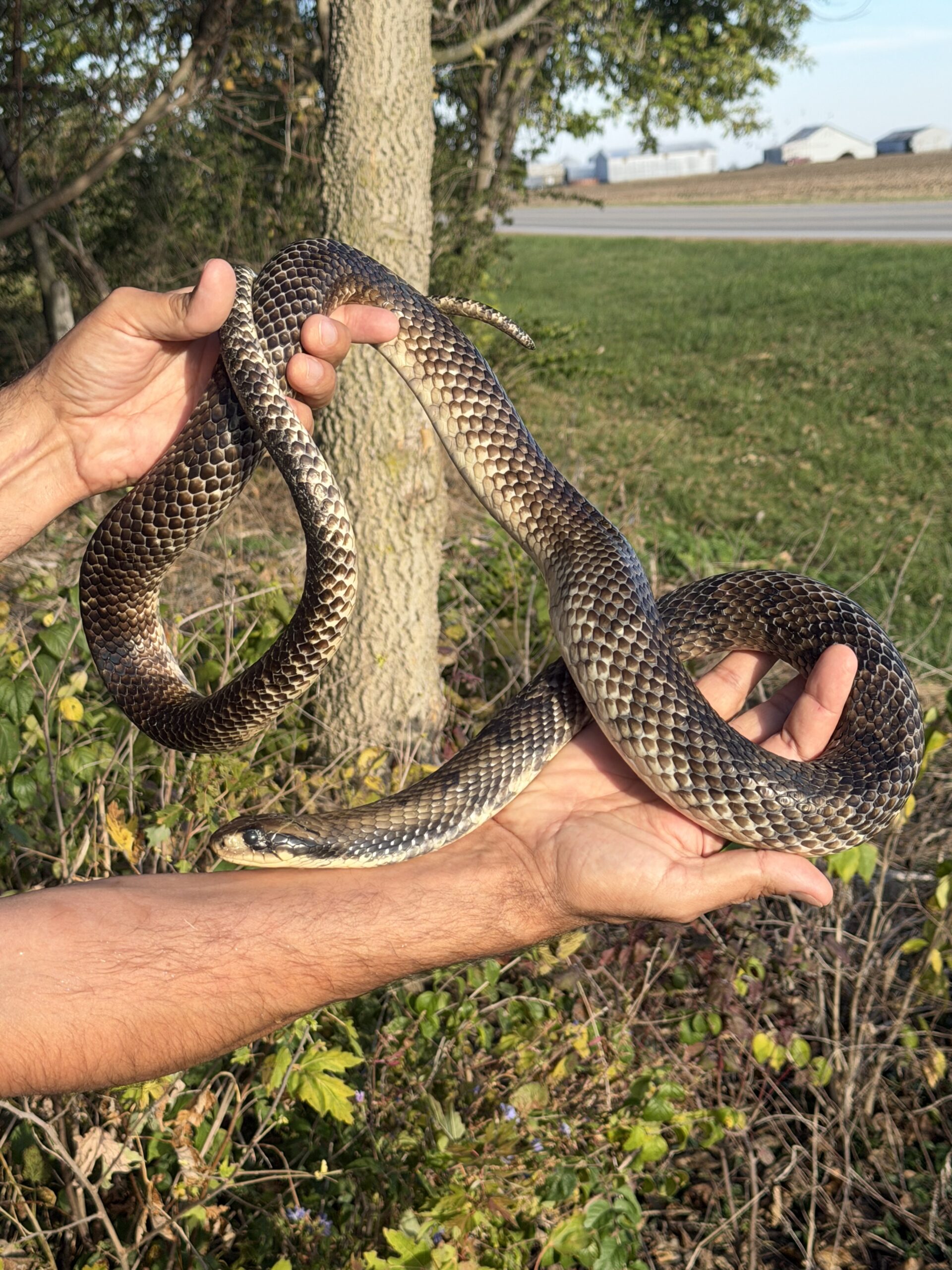
Adult Male False Water Cobra – Het Lavender
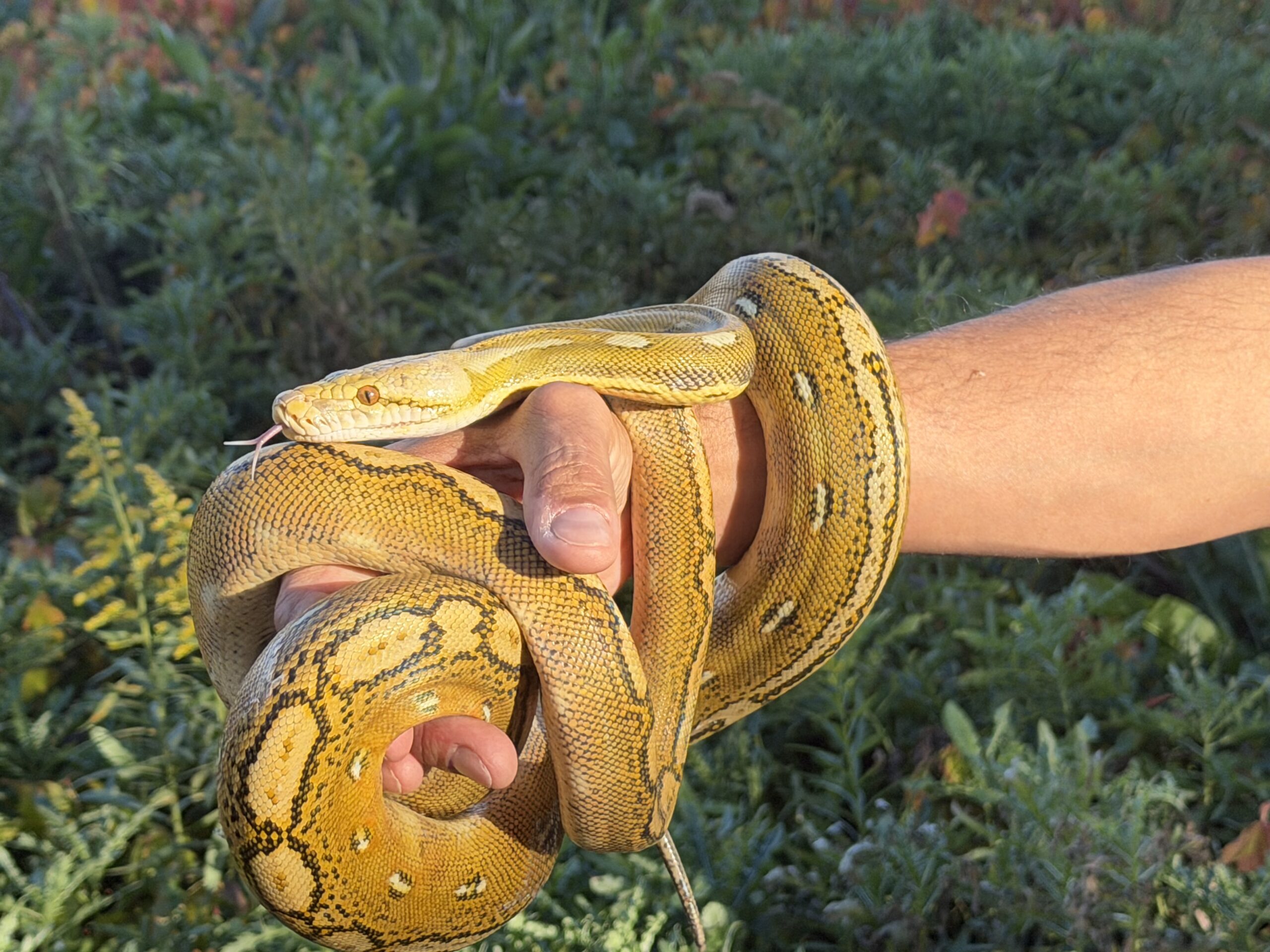
Reticulated Python
Gear for this lizard
Enclosures, heat, lighting and feeders, in the same cart as the animal.
Similar other lizards
See all →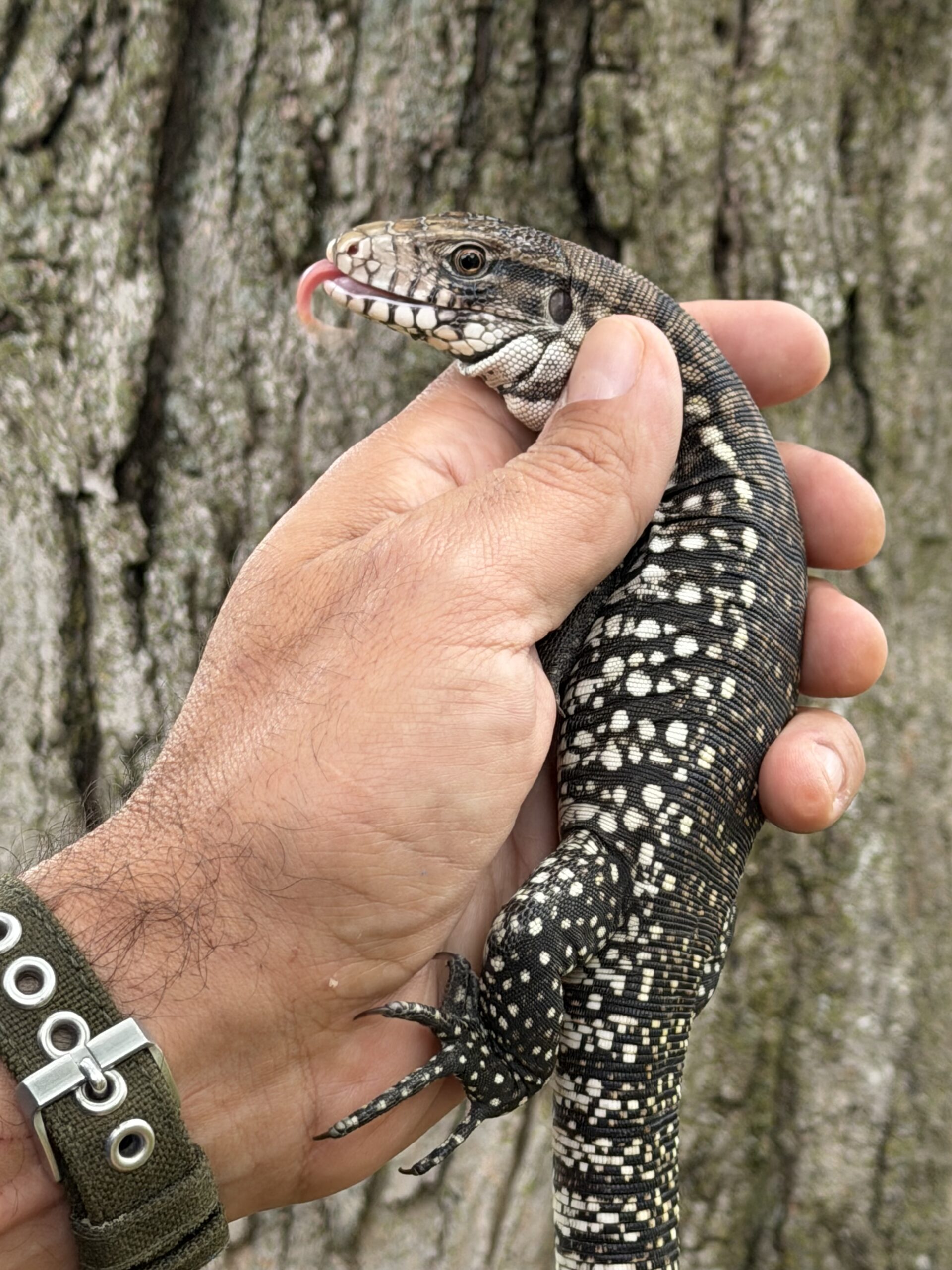
Baby Argentine Black and White Tegu

Adult Male Snow Iguana

Cuban Knight Anole